
1S 18650 Battery

1S 18650 Lithium-Ion Battery Pack Manufacturer In China

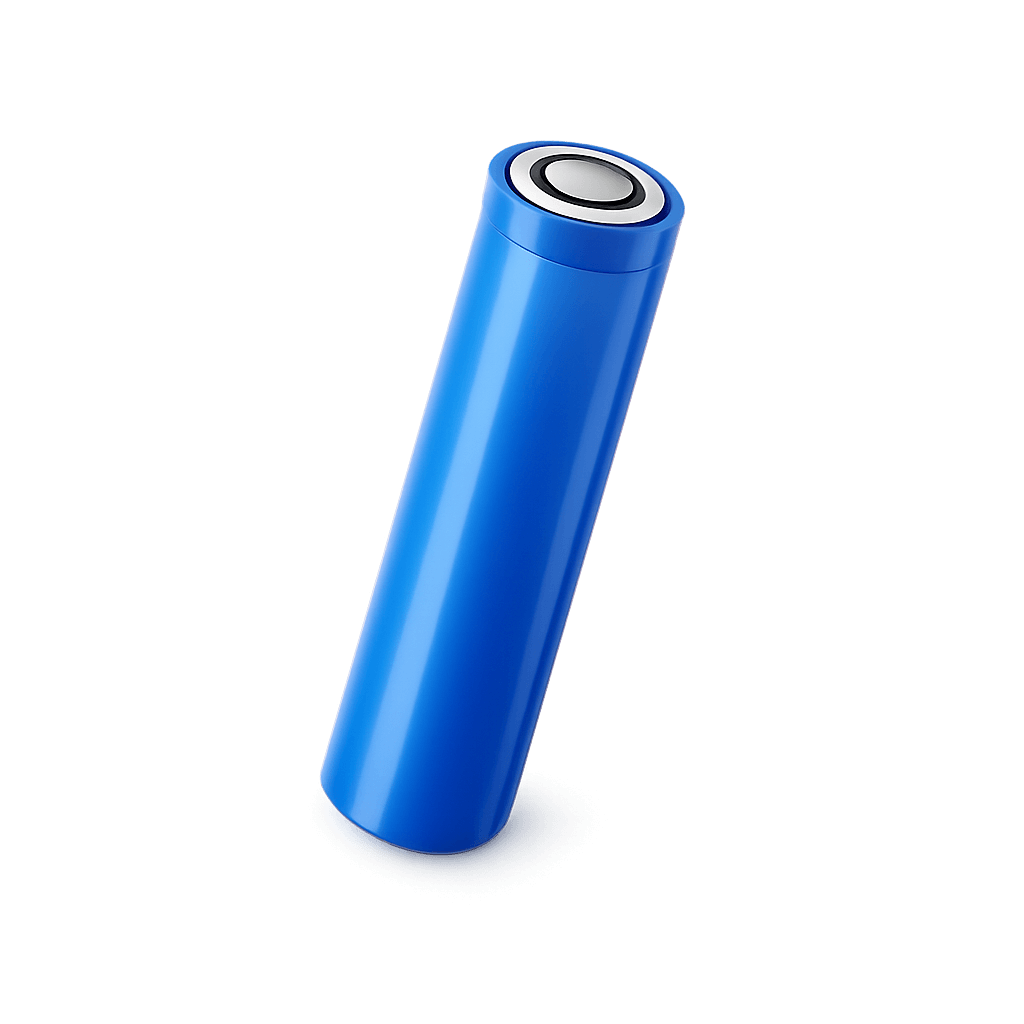
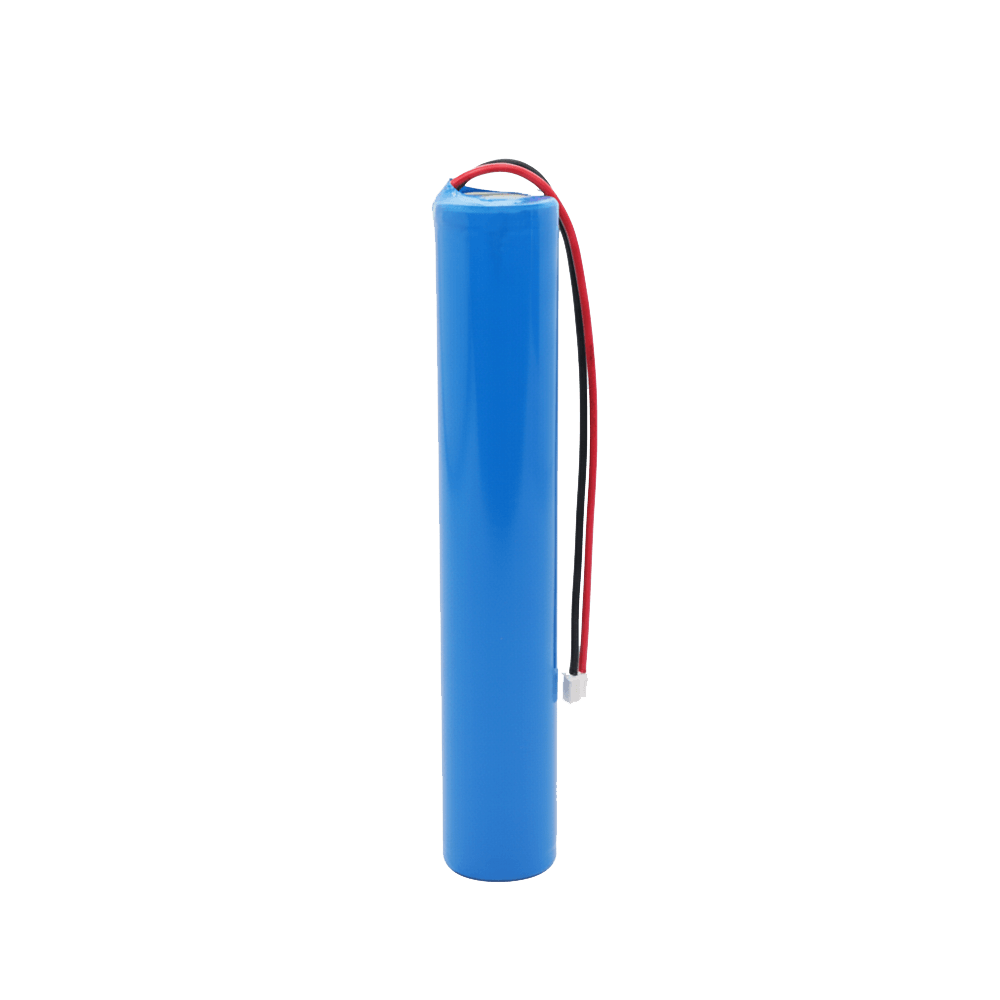
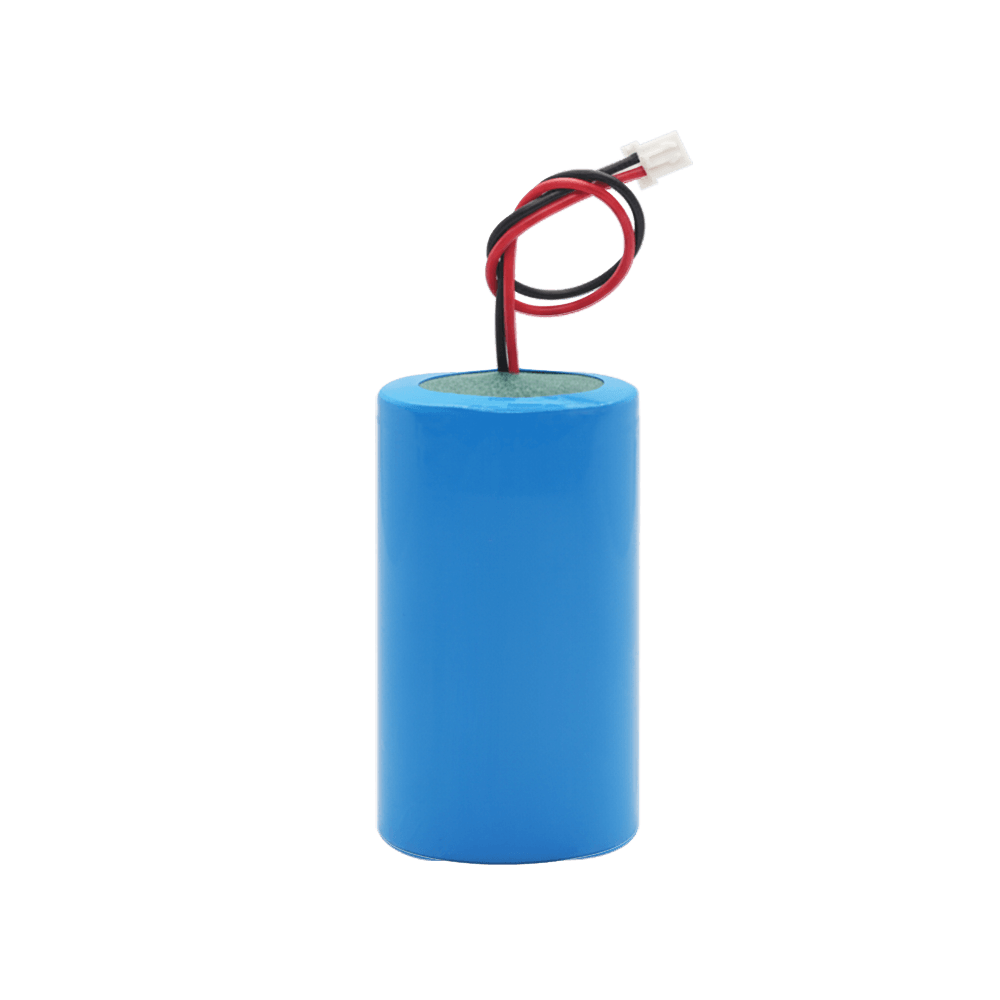
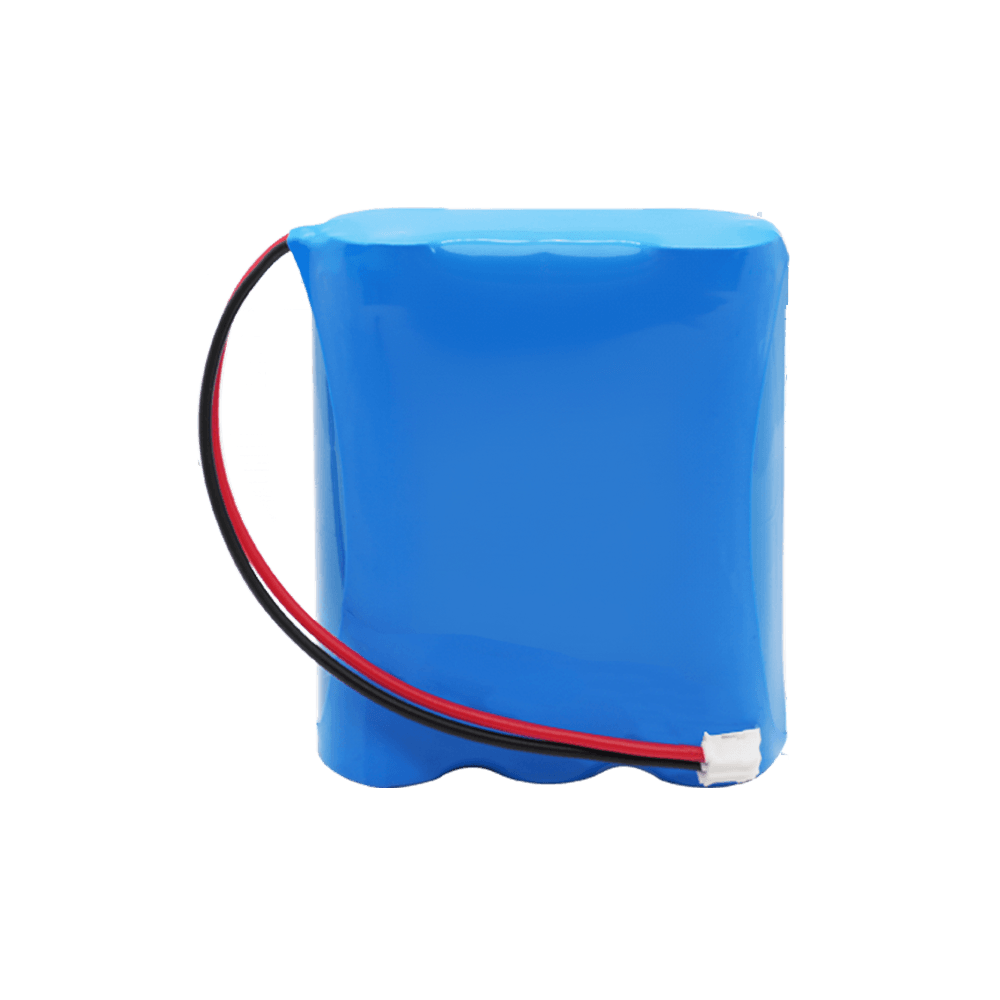
Welcome to Hanery’s hub for custom 3.7V (1S) 18650 battery packs. By connecting multiple industry-standard cells in parallel, we create scalable, high-capacity power solutions that dramatically extend runtime while maintaining a constant 3.7V output. This is the ultimate solution for demanding devices that require more endurance than a single cell can offer.

  • Expert Pack Assembly: Our core strength is transforming individual cells into robust, engineered, and certified battery packs.
  • Competitive Wholesale Pricing: We offer excellent value for custom-engineered battery packs for your bulk orders.
  • Full Custom Configurations: We can design a 1S pack in any layout to fit your unique product chassis.
18650 Battery Homepage

Safety

Low Self-Discharge

Long Lifespan

Reliability

Dedicated Prototype Line

3.7V 1S 18650 Li-ion Battery Pack Supplier In China

Hanery is your specialist B2B supplier for custom-engineered 1S 18650 battery packs. While a single 18650 cell is powerful, many professional applications demand significantly more endurance. Our 1S multi-cell packs are the solution, providing a modular way to increase capacity (mAh) and runtime exponentially, without the complexity of altering your device’s 3.7V power system.

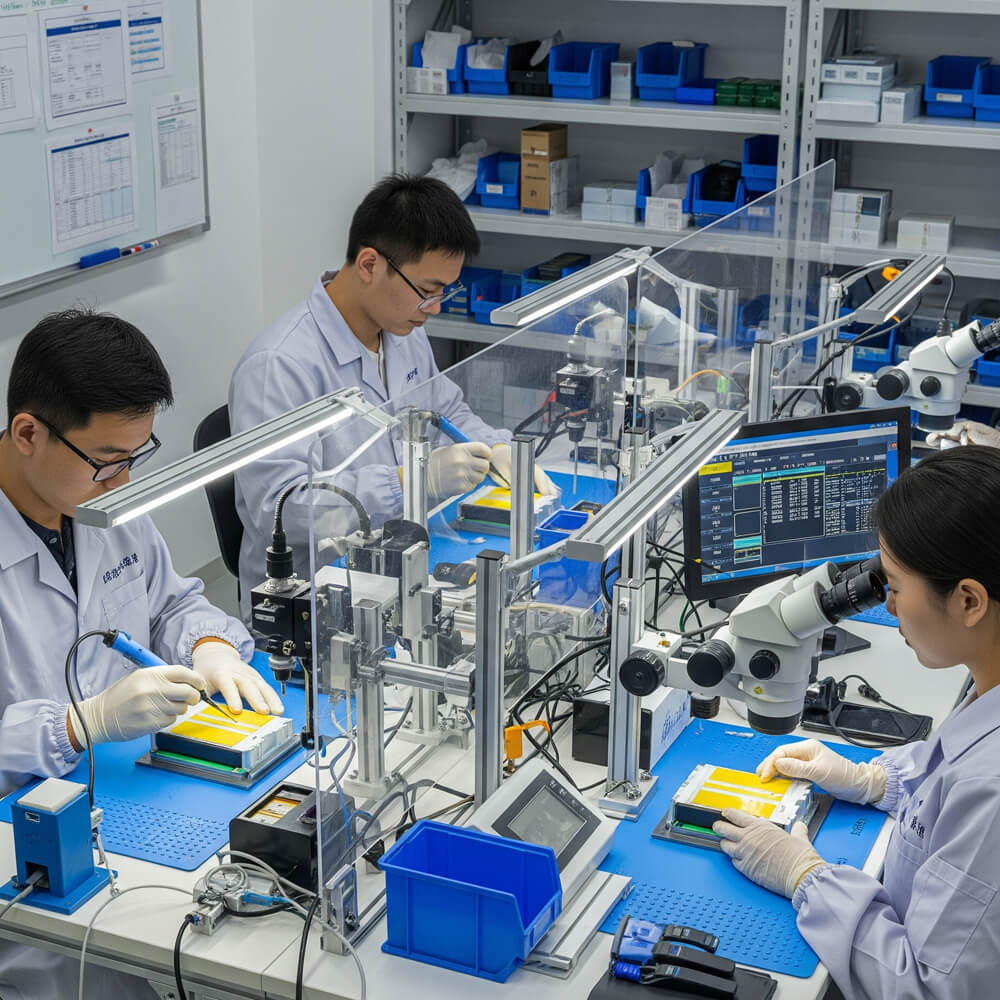
As a direct manufacturing partner, we provide much more than just batteries. We offer a complete engineering service that includes cell selection and matching, custom PCB/BMS design, precision spot welding, and robust housing solutions. We are committed to delivering a professionally assembled power system that is safe, reliable, and perfectly optimized for your application.

Wholesale 1S 18650 Lithium-Ion Battery Packs From Hanery

Need More Runtime Than a Single 18650 Can Offer?

That’s precisely what 1S multi-cell packs are for. Let our engineers design a high-capacity 3.7V solution that keeps your device running for hours, or even days.

Any Industries Hanery Served By Custom 1S 18650 Batteries

The high-capacity and standard voltage of 1S packs make them ideal for a wide range of devices:

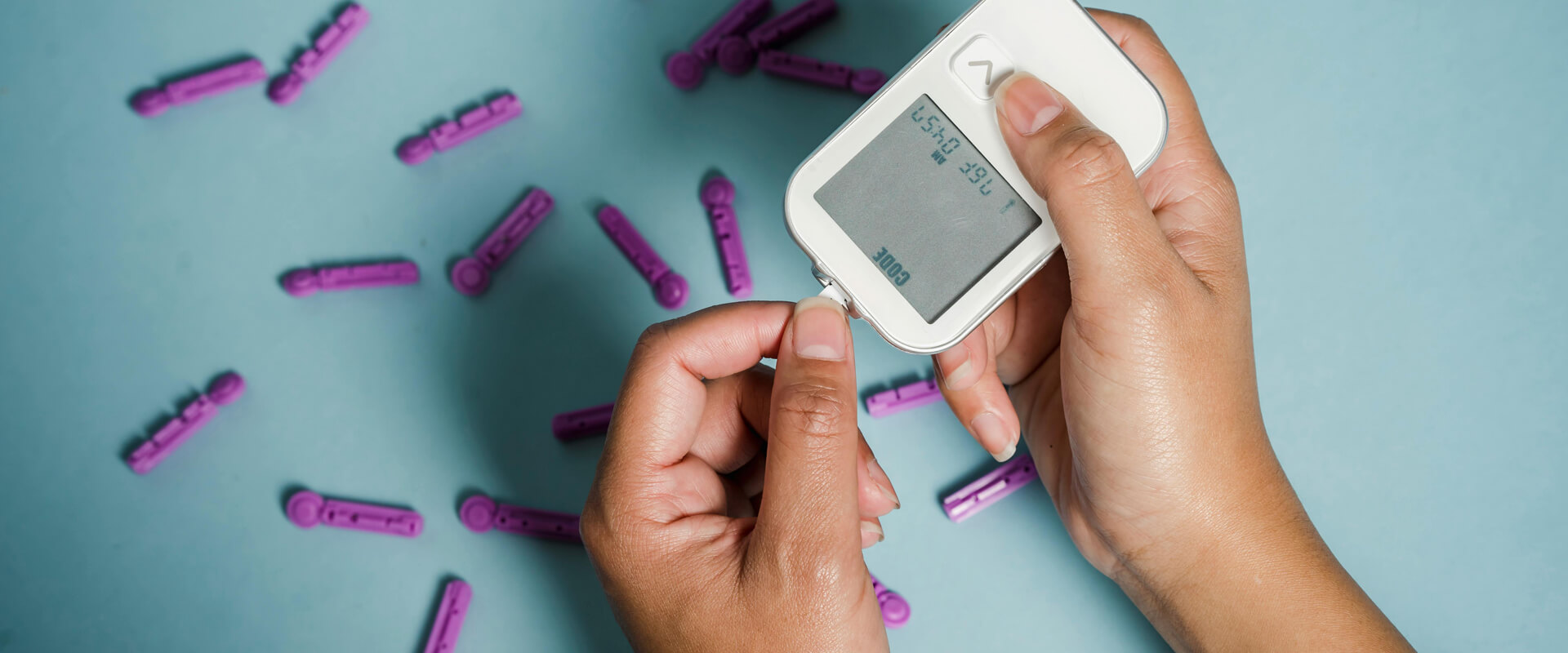
Handheld Diagnostic Instruments Batteries

Portable Medical Equipment

Providing reliable, extended power for portable patient monitors and diagnostic instruments.
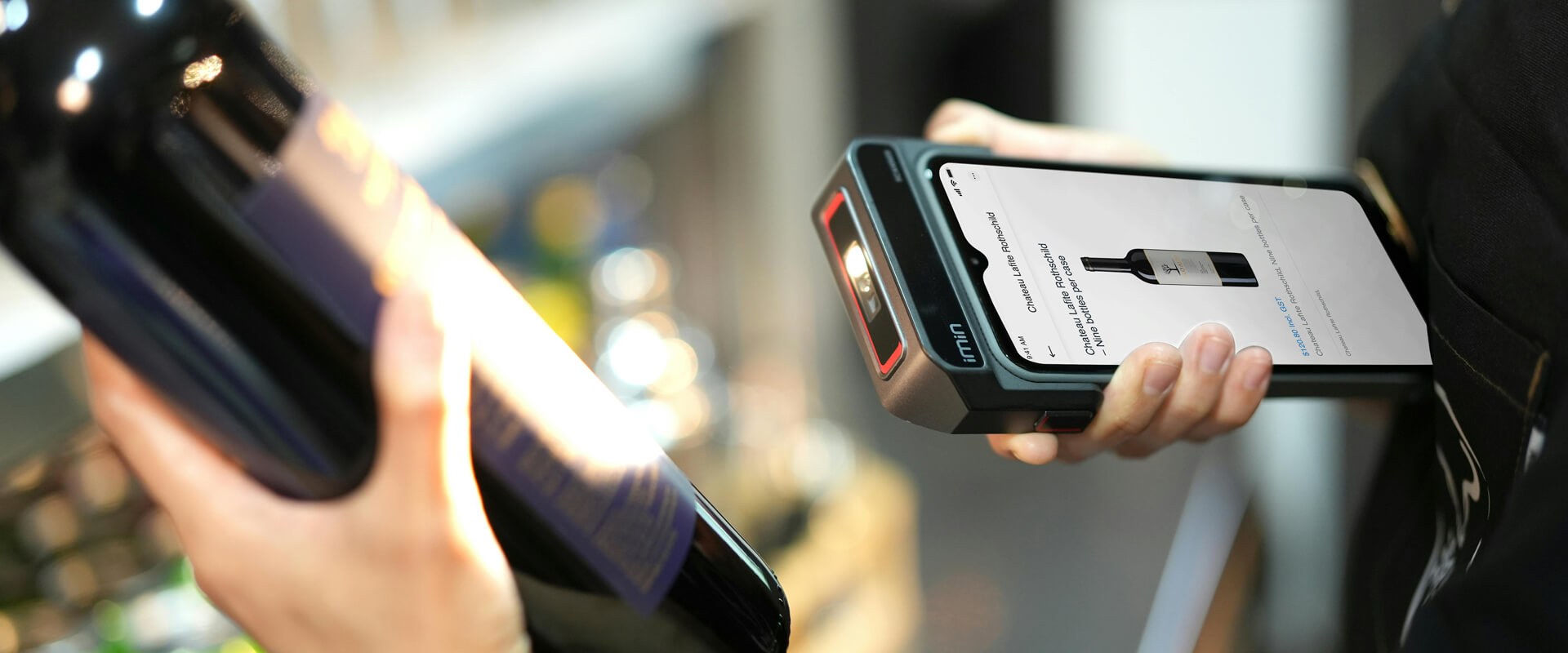
Barcode Scanners & Mobile Computers Batteries

Rugged Tablets & Mobile Computers

Driving enterprise-grade tablets and handhelds used in logistics and field service.

Portable Printers & Scanners Batteries

Desk & Office

Powering labels, printers, scanners, and other portable office supplies.
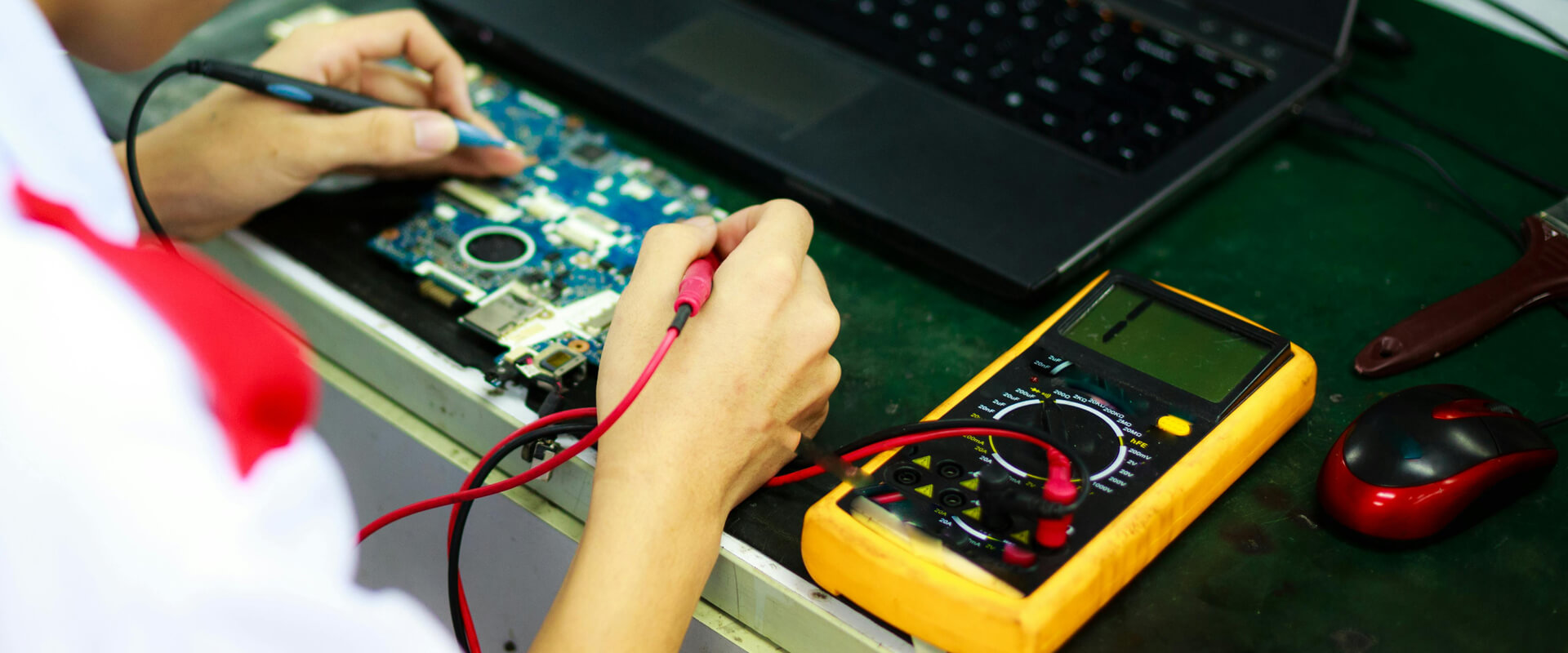
Electrical Test & Measurement Tools Batteries

Handheld Test & Measurement Tools

Delivering all-day endurance for field instruments and data loggers.

Video Doorbells Batteries

IoT & Gateway Backup Power

Serving as a high-capacity Uninterruptible Power Supply (UPS) for critical connected devices.

Headlamps & Flashlights Batteries

Professional LED Lighting

Powering high-lumen, long-runtime flashlights, video lights, and portable work lights.
Customized Your 1S 18650 Batteries From Chinese Manufacturer

We transform standard cells into custom power systems:

Flexible Pack Layout & Form Factor

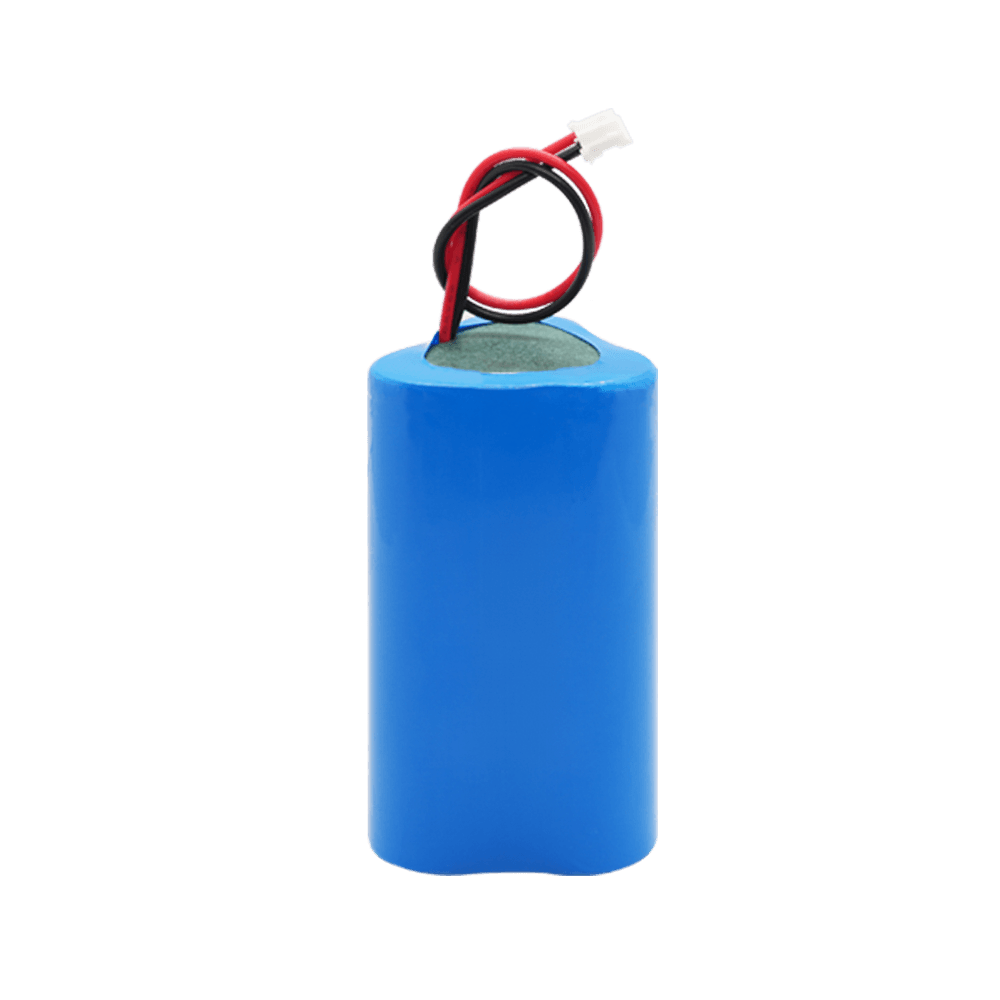
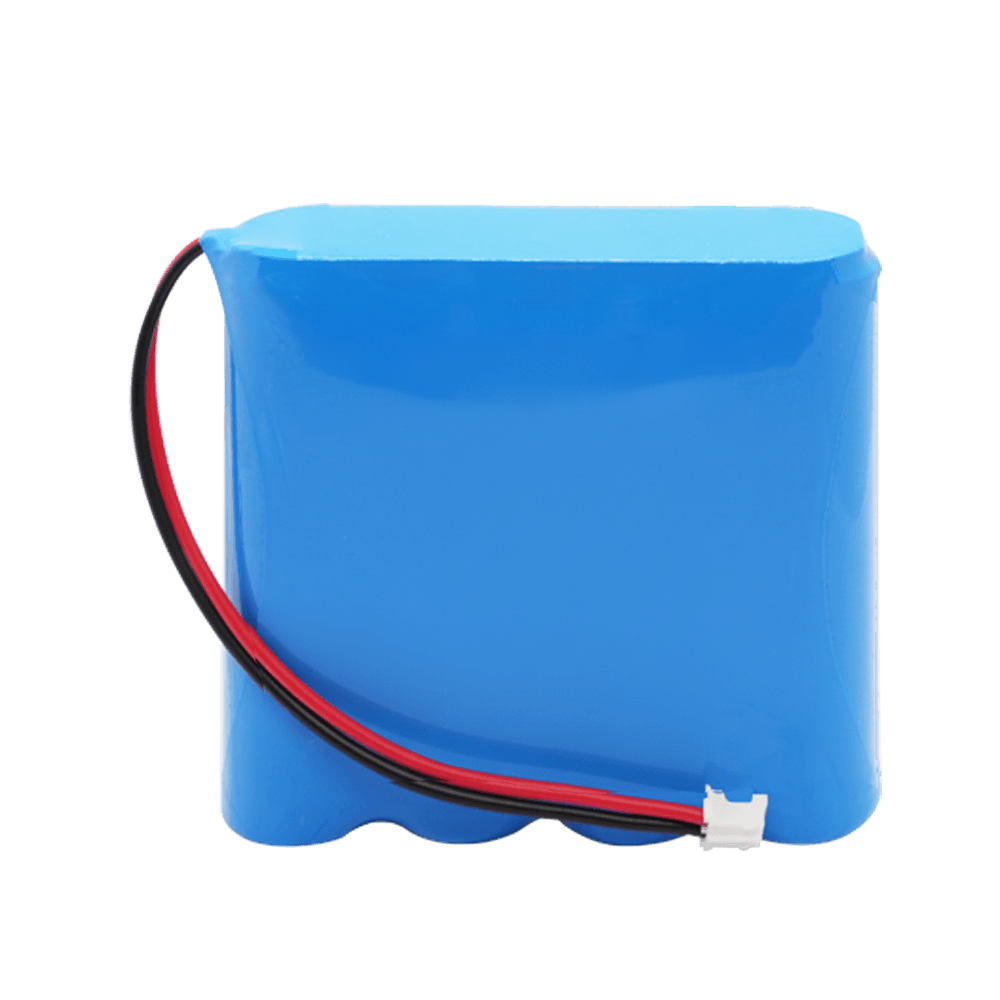
We can arrange the parallel cells in any configuration (side-by-side, triangular, square) to fit your product's unique internal space.

Cell Selection & Matching

You can choose the base cell (e.g., 2600mAh, 3500mAh), and we will use automated sorters to precisely match all cells in the pack.

BMS/PCM Integration

A protection circuit is essential for any multi-cell pack. We integrate a high-quality BMS/PCM for safety and longevity.

Robust Assembly & Welding

Our automated nickel-strip spot welders create strong, low-resistance connections for ultimate reliability.

Custom Enclosures & Connectors

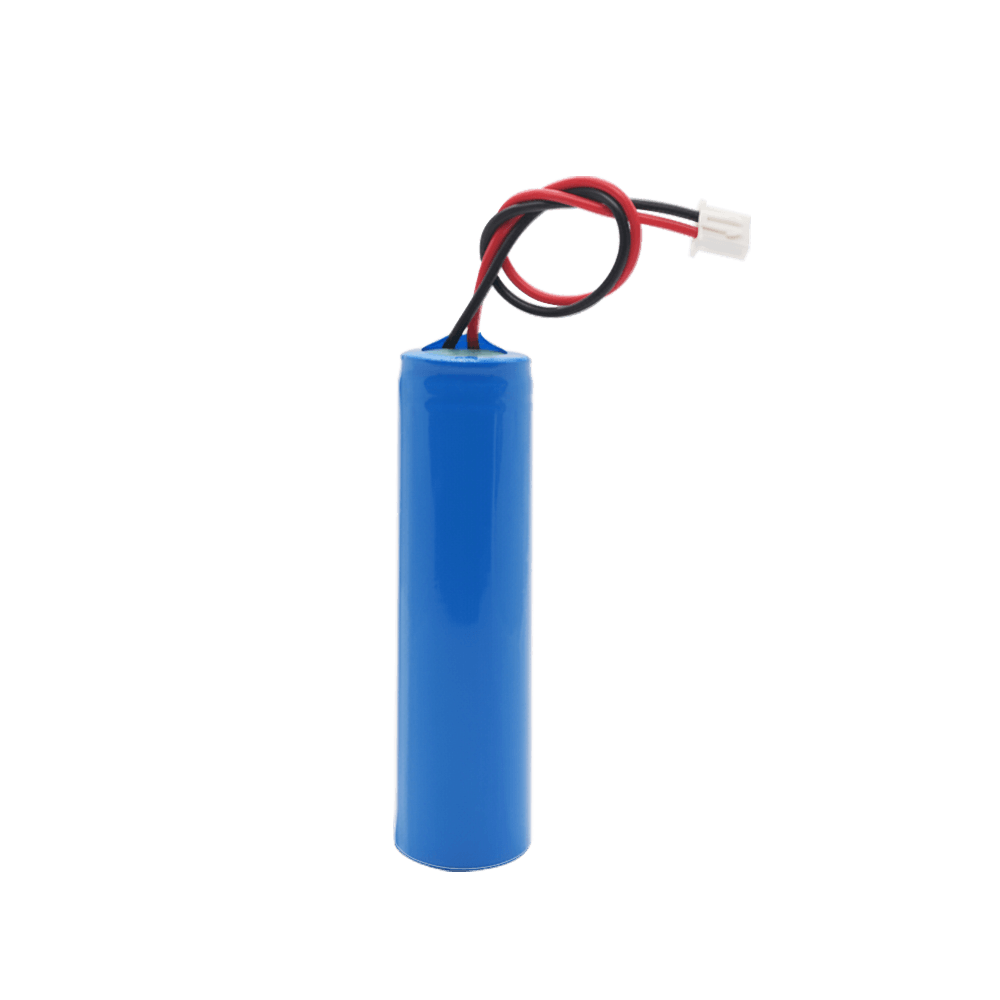
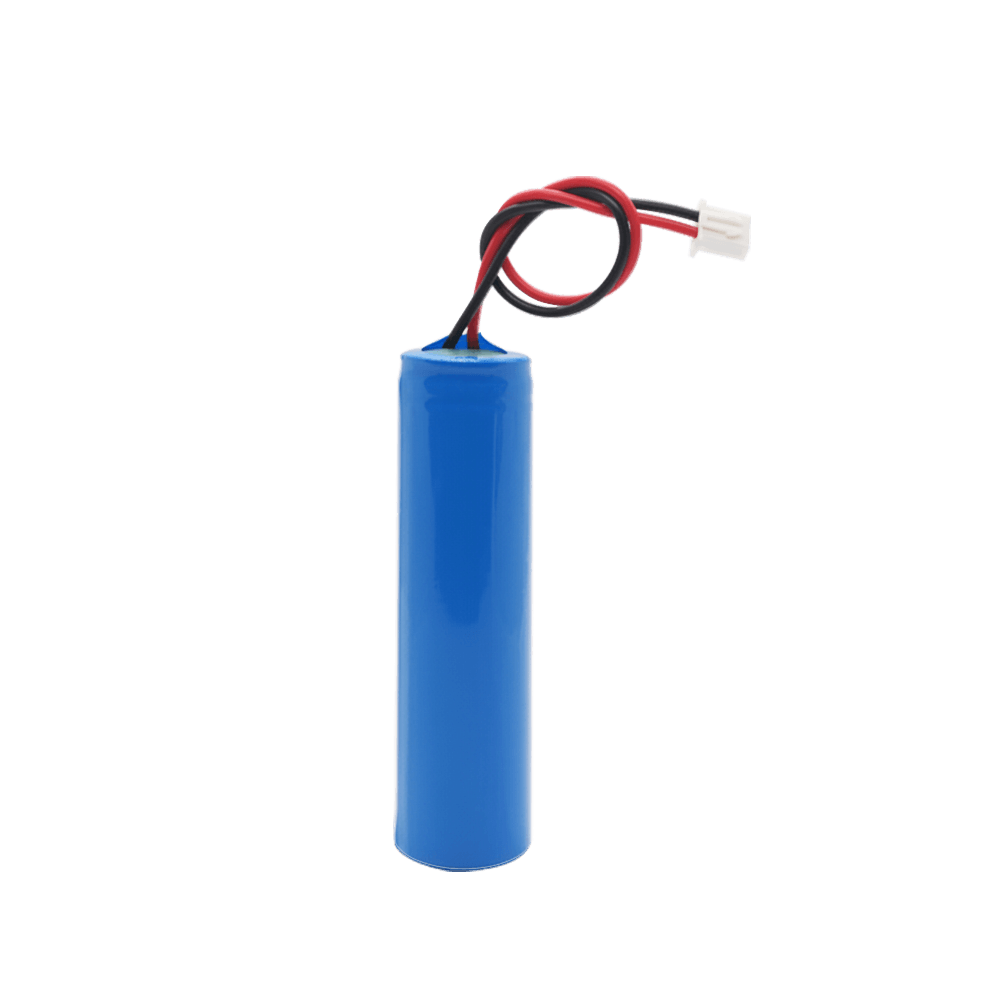
We can design and produce custom housings and integrate any required connector for a professional solution.

Full Certification Management

We handle the complex process of certifying multi-cell battery packs for global markets.

Get Your Batteries in Bulk, Step-by-Step

Consultation & Requirement Analysis

We start by analyzing your application's power demands, target runtime, and size constraints.

Pack Design & Proposal

Our team provides a detailed proposal with a pack schematic, 3D models, and a transparent wholesale quote.

Prototyping & Validation

We deliver pre-production samples for your rigorous testing and system integration validation.

Refinement & Final Approval

We incorporate your feedback and lock in the final design before scaling up.

High-Volume Pack Assembly

Your bulk order is produced with exceptional consistency on our dedicated pack assembly lines.

Global Logistics & Compliant Delivery

We manage the entire compliant shipping process for large-format batteries to your global locations.

6 Benefits From Your Battery Manufacturer

Scalable Endurance

Easily achieve your target runtime by simply adding cells in parallel, without redesigning your power electronics.

Enhanced Safety

A professionally engineered pack with cell matching and a BMS is significantly safer than DIY solutions.

Proven Reliability

Built on the rock-solid, proven foundation of the world's most popular Li-ion cell.

Simplified Integration

A complete, ready-to-use pack with your specified connector simplifies your assembly process.

Lower Total Cost of Ownership

A well-built, balanced pack will have a much longer service life, reducing replacement costs.

Expert Partnership

Leverage our deep expertise in pack design to avoid common pitfalls and accelerate your time-to-market.

18650 Battery Tips

FAQ for 1S 18650 Battery Packs

“1S” means 1 cell in Series, so the voltage remains at 3.7V. The number before “P” indicates how many cells are in Parallel, which multiplies the capacity. A 1S3P pack using 2600mAh cells will have a total capacity of 3 x 2600mAh = 7800mAh, at 3.7V.

While a large polymer cell offers shape flexibility, a 1S2P 18650 pack can be more cost-effective, more robust due to the cells’ metal casing, and leverages the proven reliability of the 18650 platform.

Yes, it is absolutely essential. A PCM/BMS protects against over-charge, over-discharge, and short-circuits. Crucially, it also protects against uneven discharging between the parallel cells, which is vital for safety and longevity.

We use automated sorting equipment to test and group individual 18650 cells that have nearly identical internal resistance (IR) and capacity. Building a pack with these “matched” cells is critical for ensuring they share the load evenly.

The MOQ depends on the complexity of the pack, but for a semi-custom 1S pack, it typically starts from 10,000 units.

Yes. We can arrange the cylindrical cells in various layouts (flat side-by-side, a 2×2 square, a triangular 3-cell arrangement, etc.) and design a custom housing to create a uniquely shaped pack.

You simply multiply the capacity of the single cell used by the number of cells in parallel. For example, a 1S4P pack made with 3000mAh cells will have a total capacity of 4 x 3000mAh = 12,000mAh.

A 1S pack has a nominal voltage of 3.7V (one cell in series). A 2S pack has two cells in series, doubling the voltage to 7.4V. They serve completely different electronic requirements.

Yes. We manage the entire certification process for the final battery pack, including UN38.3 for transport and other standards like IEC 62133 or UL 2054 as required by your application.

To engineer the perfect, safest, and most cost-effective battery pack for your product, our engineers need a clear picture of your entire power system. Providing the following key details during our initial consultation allows us to move from concept to a precise quotation and design much faster:

  • 1. Your Product’s Charging Parameters:

    • What we need: The charging voltage (V) and current (A) your product’s mainboard provides to the battery.

    • Why it’s important: This allows us to design a Battery Management System (BMS) that is perfectly matched to your device’s charging capabilities, ensuring safety and optimizing charging speed.

  • 2. Your Product’s Discharge Profile:

    • What we need: The continuous discharge current (the steady power draw) and the peak/pulse discharge current (the short burst of power needed for motors, transmitters, etc.).

    • Why it’s important: This is the most critical factor for selecting the right 18650 cells. It determines whether we need high-discharge cells (for power) or high-capacity cells (for runtime), and it dictates the power rating of the BMS.

  • 3. Onboard Charge Management:

    • What we need: Does your product’s mainboard (PCB) already have a full charge management circuit, or will you rely on our battery pack’s BMS to handle the charging logic?

    • Why it’s important: This tells us whether we need to design a simple protection circuit (PCM) or a more complex charge/discharge controller (BMS), which affects cost and complexity.

  • 4. Discharge Cut-off Voltage:

    • What we need: What is the lowest voltage at which your product will shut down?

    • Why it’s important: This helps us configure the BMS’s over-discharge protection to work in harmony with your device, protecting the battery from damage while maximizing its usable capacity.

  • 5. The Application & Use Case:

    • What we need: What product is this for (e.g., a medical monitor, a portable speaker, an e-bike)? What environment will it be used in?

    • Why it’s important: Knowing the application helps us understand requirements for durability, temperature range, safety certifications, and overall design priorities.

  • 6. Project Stage:

    • What we need: Is your product in the R&D/prototyping stage, or are you preparing for mass production?

    • Why it’s important: This helps us align our engineering support and production planning with your project timeline.

  • 7. Wiring & Connector Details:

    • What we need: The required wire length, wire gauge (AWG), connector model (e.g., JST PH 2.0mm), and pinout/wire sequence (e.g., Red-Black or Black-Red).

    • Why it’s important: Getting this right from the start ensures our prototypes are “plug-and-play” ready for your hardware, saving you valuable time during validation.

  • 8. Estimated Annual Volume:

    • What we need: Your estimated annual quantity (e.g., 1k, 10k, 100k units).

    • Why it’s important: This allows us to provide the most accurate, volume-based pricing and to plan our material sourcing and production capacity to support your project long-term.

Scroll to Top

Request Your Quote

Need something helped in a short time? We’ve got a plan for you.